

1. Introduction to Manure Processing Machines
Manure processing machines are essential equipment in modern agriculture and poultry farming, designed to efficiently treat, recycle, and convert animal manure into valuable organic fertilizer products. With increasing environmental regulations and the need for sustainable farming practices, manure processing machines help reduce pollution, improve soil fertility, and support circular agricultural economies.
These machines can handle various types of manure, including poultry litter, cow dung, pig manure, and other livestock wastes. By transforming raw manure into organic compost, pellets, or dried products, manure processing machines enable farmers to reduce waste, generate additional income, and maintain ecological balance.
The integration of manure processing technologies is crucial in large-scale farming operations, organic fertilizer production plants, and waste management systems.
2. What Is a Manure Processing Machine?
A manure processing machine refers to a series of equipment used to process animal manure by drying, composting, fermenting, granulating, and packaging. The machine can perform one or multiple stages of manure treatment depending on the system design.
Common Types of Manure Processing Machines
Manure Composting Turner: Aerates and mixes manure during composting.
Manure Dryer: Removes moisture from manure to facilitate storage or pelletizing.
Manure Crusher: Breaks down manure clumps for uniform composting or granulation.
Manure Fermentation Tank: Accelerates manure decomposition through controlled fermentation.
Granulator: Converts manure compost into pellets for easy handling and sale.
Screening Machine: Removes impurities from processed manure.
3. Technical Parameters of Manure Processing Machines
The technical parameters vary by machine type and capacity. Below are typical specifications for some common manure processing equipment:
3.1 Manure Composting Turner
Model: PTO Driven / Electric
Working Width: 1.5 m – 3.5 m
Turning Capacity: 800 – 3500 m³/hour
Power: 18.5 kW – 55 kW
3.2 Manure Dryer
Type: Rotary Drum / Belt Dryer
Capacity: 1 – 10 tons/hour
Moisture Reduction: From 60-70% to<15%
Power: 30 kW – 120 kW
3.3 Manure Crusher
Capacity: 1 – 5 tons/hour
Power: 15 kW – 30 kW
Mesh Size: 3-10 mm
3.4 Manure Granulator
Output: 0.5 – 5 tons/hour
Pellet Diameter: 2 – 6 mm
Power: 18.5 kW – 45 kW
4. Key Features of Manure Processing Machines
4.1 High Efficiency and Capacity
Designed to handle large volumes of manure continuously, improving productivity.
4.2 Durable and Reliable
Constructed with high-quality materials to withstand corrosive manure environments.
4.3 Energy Saving
Incorporates advanced technology to reduce power consumption during processing.
4.4 Easy Operation and Maintenance
User-friendly controls and modular design facilitate easy management and service.
4.5 Versatility
Suitable for processing manure from various livestock sources, adaptable to different farm scales.
5. Advantages of Using Manure Processing Machines
5.1 Environmental Protection
Manure processing reduces odor, pathogens, and greenhouse gas emissions, minimizing environmental pollution.
5.2 Resource Recycling
Transforms waste into valuable organic fertilizer, enhancing soil health and crop yields.
5.3 Economic Benefits
Generates additional revenue streams by selling organic fertilizer products.
5.4 Improved Farm Hygiene
Manure treatment reduces pest infestations and disease risks.
5.5 Compliance with Regulations
Helps farms meet environmental standards and waste disposal requirements.
6. Application Scenarios
Poultry Farms: Process chicken, duck, or turkey manure.
Cattle Farms: Handle cow dung and mixed manure.
Pig Farms: Treat pig manure efficiently.
Organic Fertilizer Plants: Produce pellets or compost fertilizer.
Agricultural Waste Management: Large-scale manure recycling systems.
7. How to Use a Manure Processing Machine
7.1 Pre-Processing
Collect manure and remove large debris.
Adjust moisture content if necessary.
7.2 Composting (If Applicable)
Use compost turners to aerate and mix manure regularly.
Maintain appropriate temperature and moisture.
7.3 Drying and Crushing
Feed manure into the dryer to reduce moisture.
Use crusher to break down manure clumps.
7.4 Granulating and Packaging
Use granulator to produce uniform pellets.
Cool, dry, and package the pellets for storage or sale.
8. Maintenance Tips
Clean equipment regularly to prevent clogging and corrosion.
Lubricate moving parts per manufacturer guidelines.
Inspect belts, motors, and blades for wear and replace when needed.
Calibrate sensors and control systems to maintain accuracy.
9. Common Problems and Solutions
Equipment Blockage | Excess moisture or debris | Adjust moisture, clean system regularly |
Low Pellet Quality | Incorrect moisture or granulator settings | Optimize moisture, adjust granulator parameters |
Motor Overheating | Overload or poor ventilation | Reduce load, improve cooling |
Uneven Composting | Poor aeration | Increase turning frequency |
Belt Slippage | Loose tension | Tighten or replace belt |
10. Frequently Asked Questions (FAQ)
Q1: What types of manure can be processed?
All types of livestock manure including chicken, cow, pig, horse, and others.
Q2: Can manure processing machines be customized?
Yes, machines can be tailored to meet specific capacity and farm requirements.
Q3: How long does processing take?
Depends on the process; composting may take weeks, drying and pelletizing hours.
Q4: Is processed manure safe to use?
Properly processed manure is safe and beneficial as organic fertilizer.
Q5: What is the typical lifespan of these machines?
With proper maintenance, machines can last 10 years or more.
11. Conclusion
Manure processing machines play a crucial role in modern sustainable farming, turning waste into valuable resources while protecting the environment. Choosing the right equipment and maintaining it properly ensures efficient operation and maximizes economic and ecological benefits.
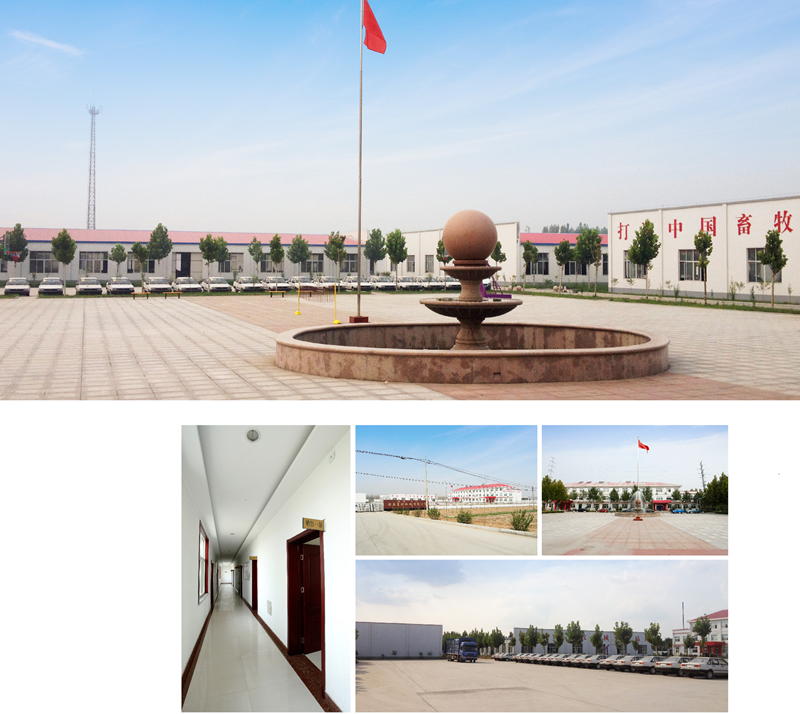
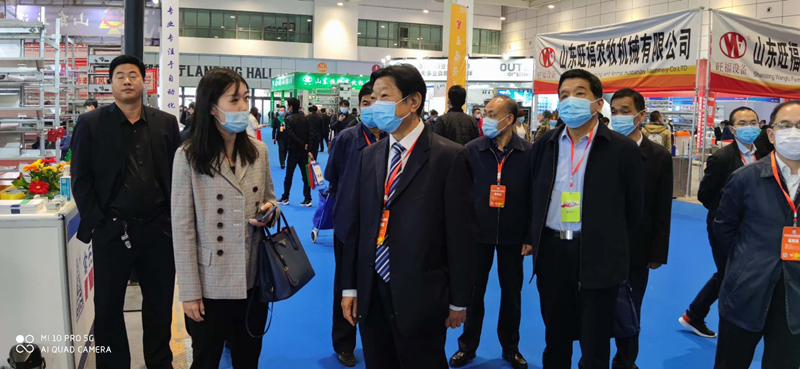
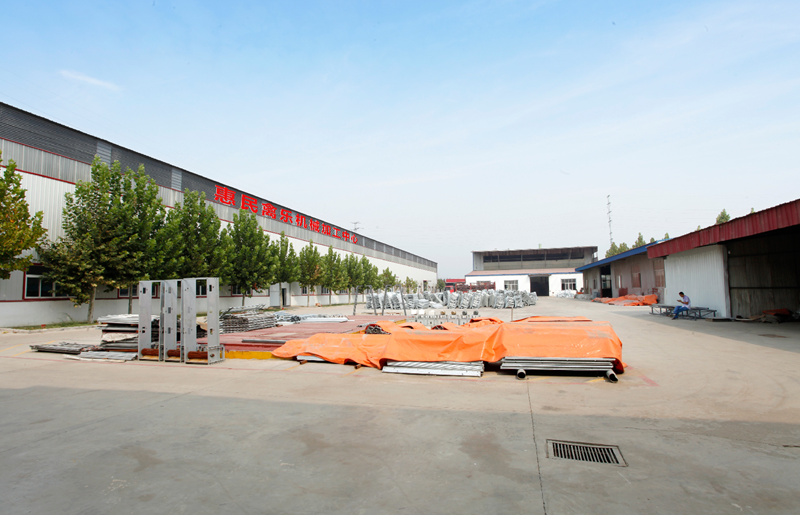
Shandong Huimin Qinle Livestock Machinery Co., Ltd. (formerly Shandong Huimin Qinle Livestock Machinery Factory) is a professional poultry equipment manufacturer with over 20 years of experience. We offer a comprehensive service package, from design (land and chicken coops), production (equipment and prefabricated steel coops), installation, commissioning, customer training, and after-sales service.
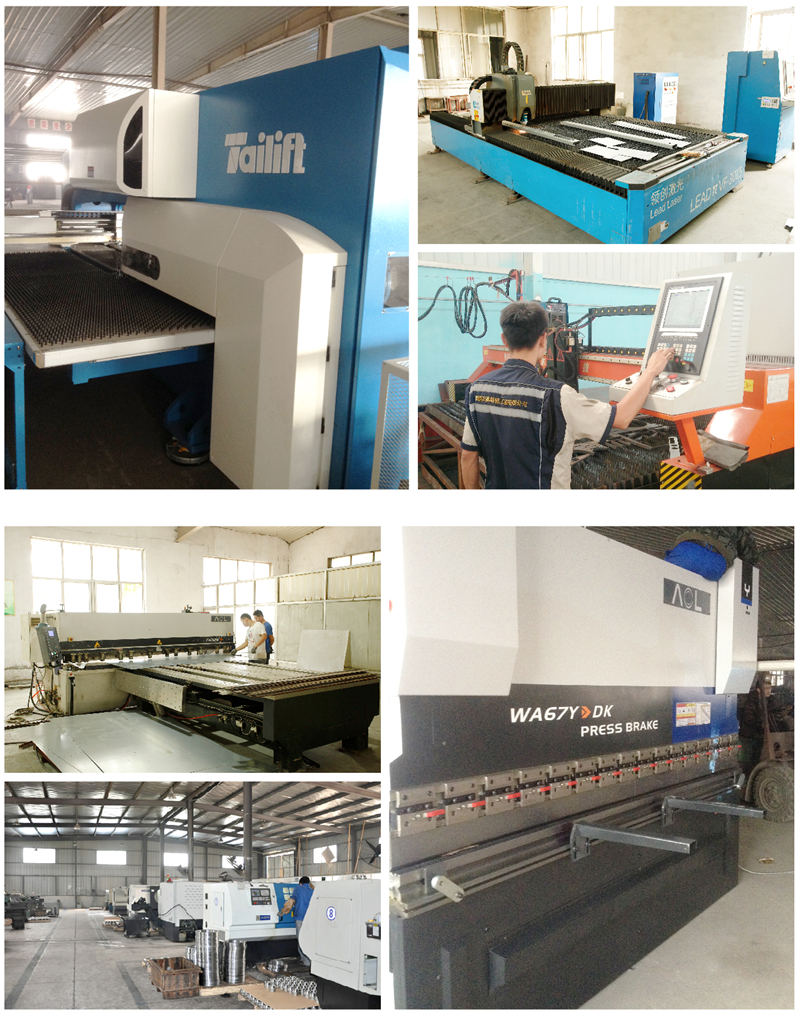
Located in Huimin County, Binzhou City, Shandong Province, China, the company has extensive experience in mechanical processing and manufacturing, as well as livestock machinery production and operation. With fixed assets of RMB 15 million, the company employs 160 people, including 30 R&D staff, and occupies a 40,000-square-meter factory. Equipped with over 110 pieces of advanced precision production equipment, including CNC machining centers and laser cutting machines, the company boasts a production capacity of RMB 50 million.
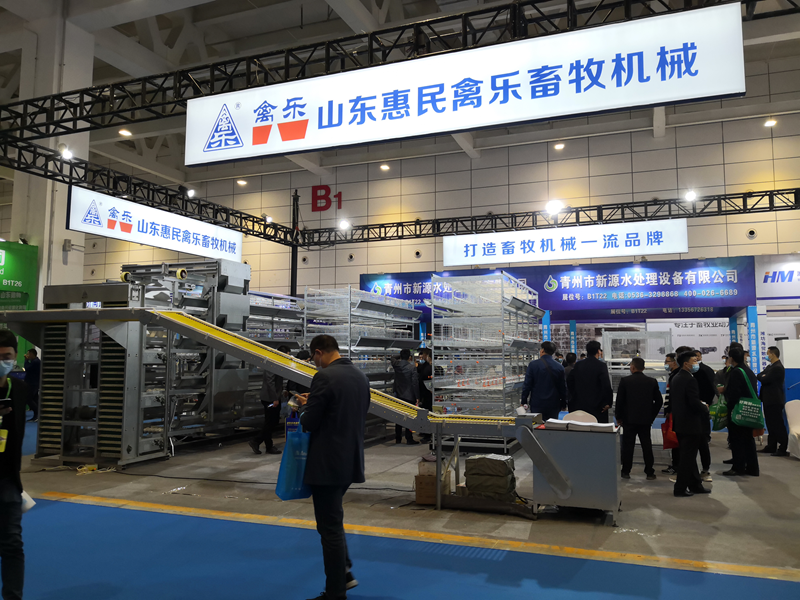
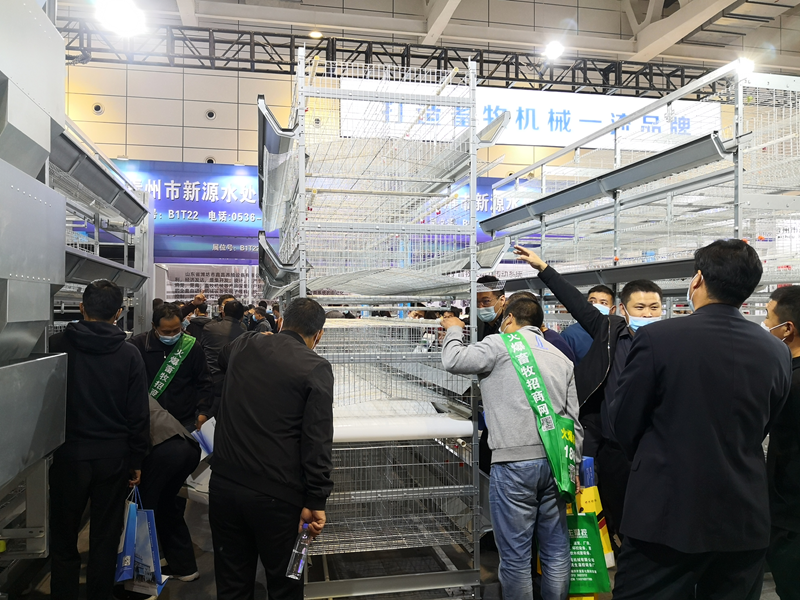
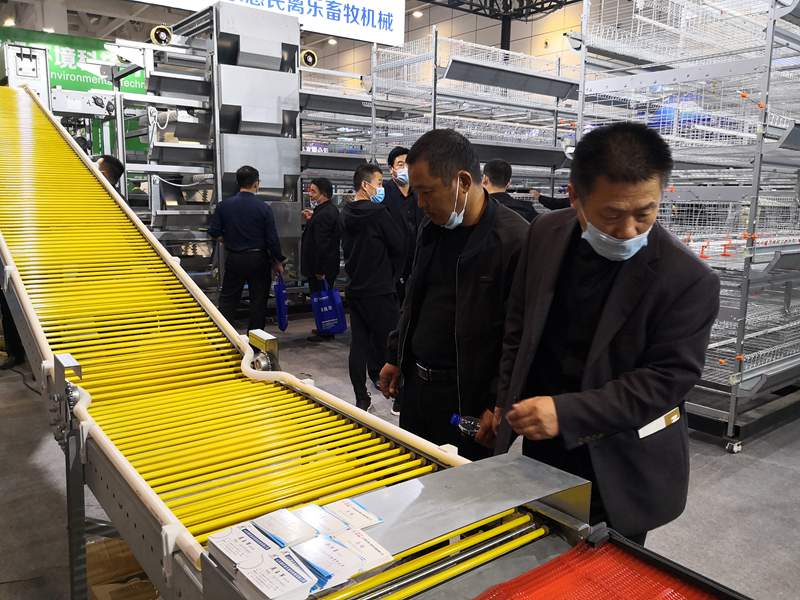
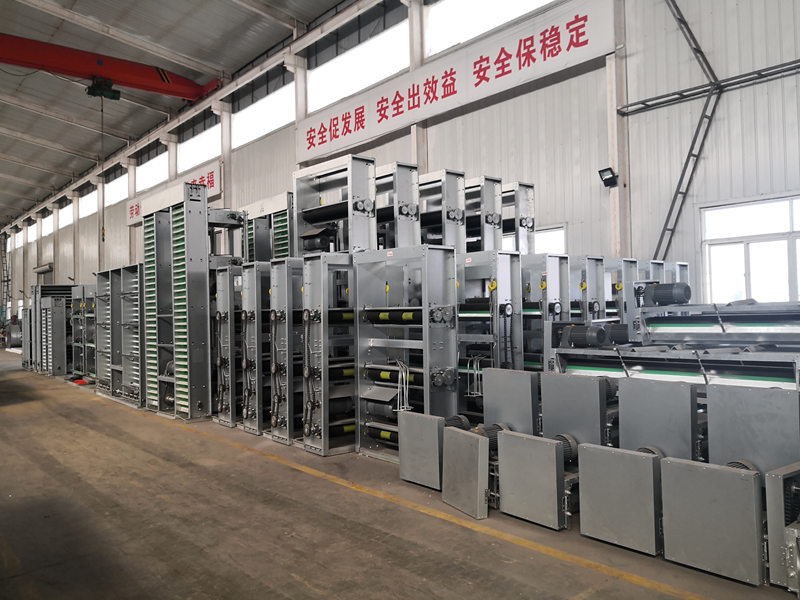
Chicken Farming Equipment Mesh Production Workshop

Machining Workshop
Turret-type CNC Punch Press, Laser Cutting and Other Machining Equipment
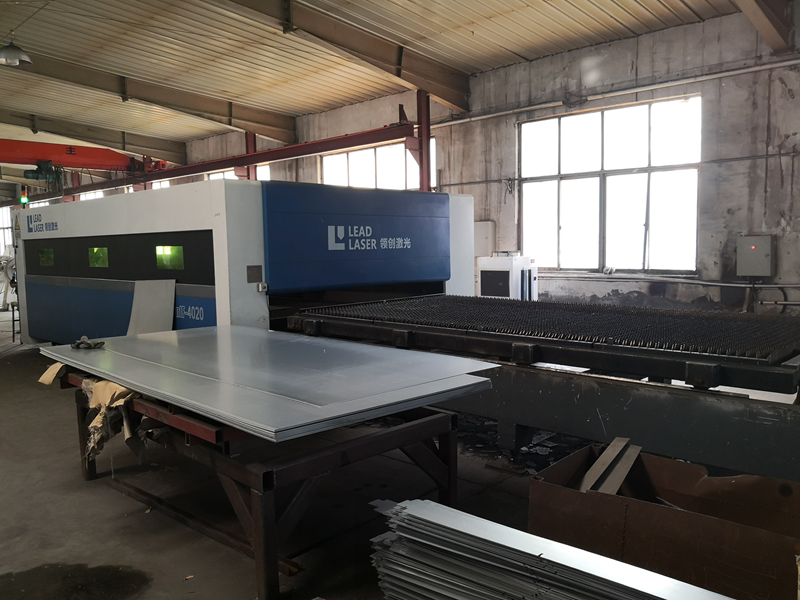

Fully Automated Roll Forming Production Line

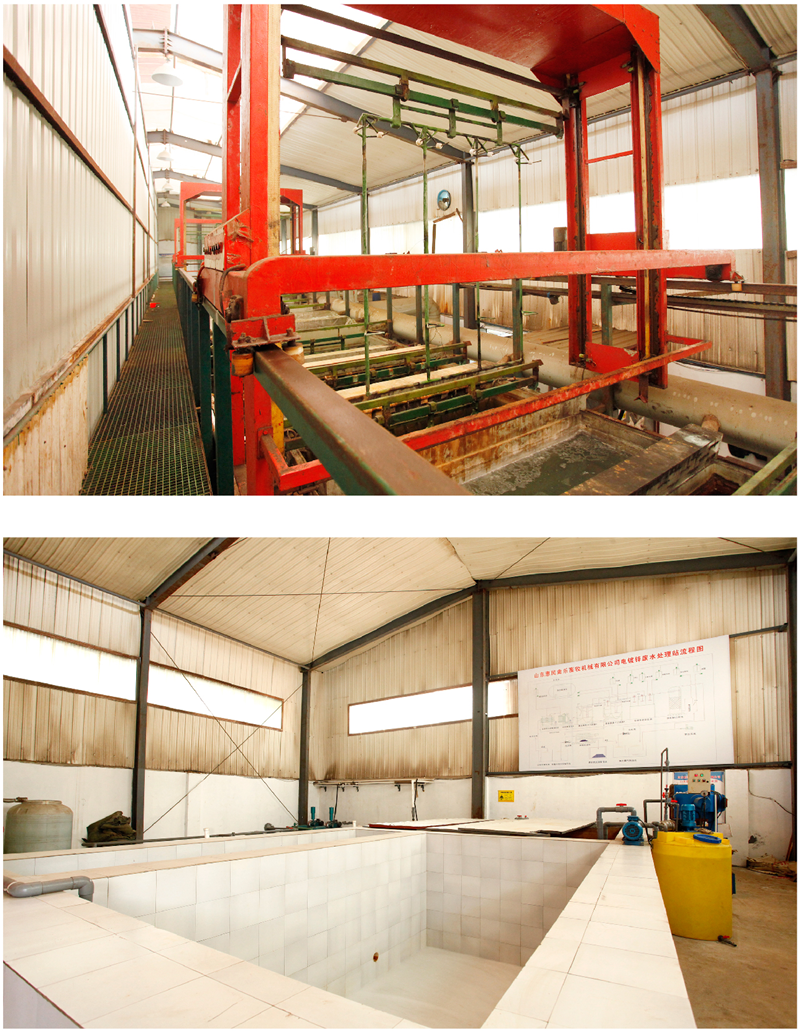
Hot-dip Galvanizing Production Line

Electroplating Production Line
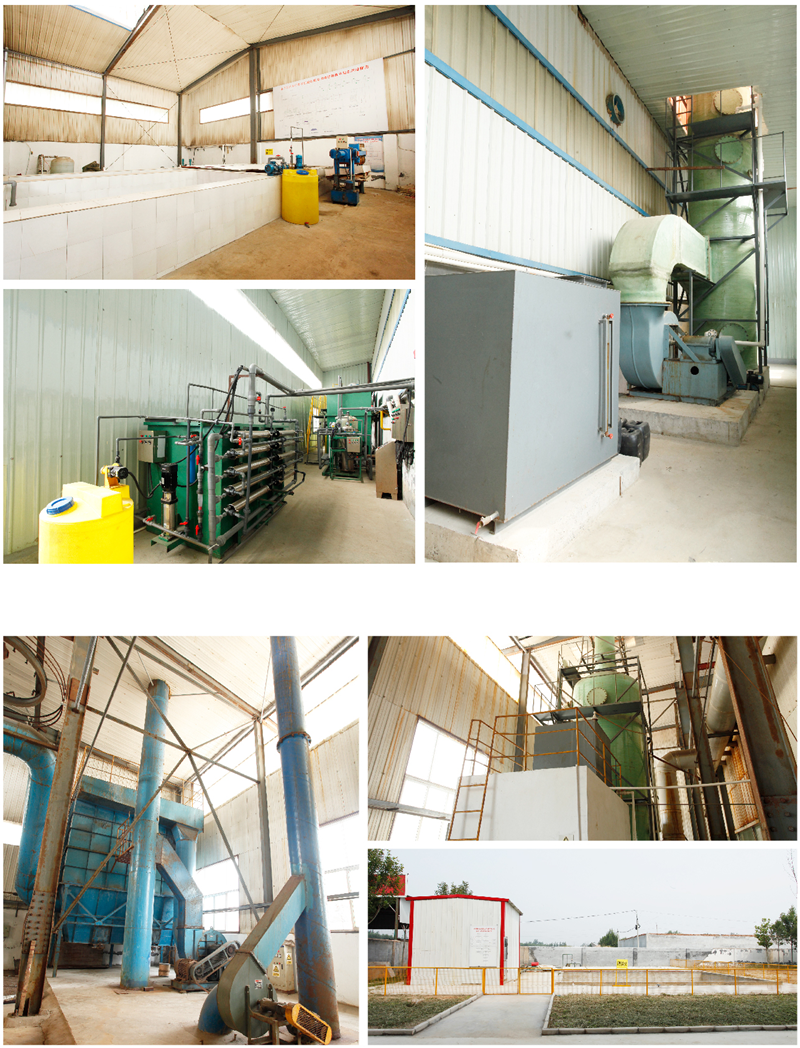
Environmental Protection Equipment
Chicken Farming Equipment Product Series
Egg-laying Hen Farming Equipment
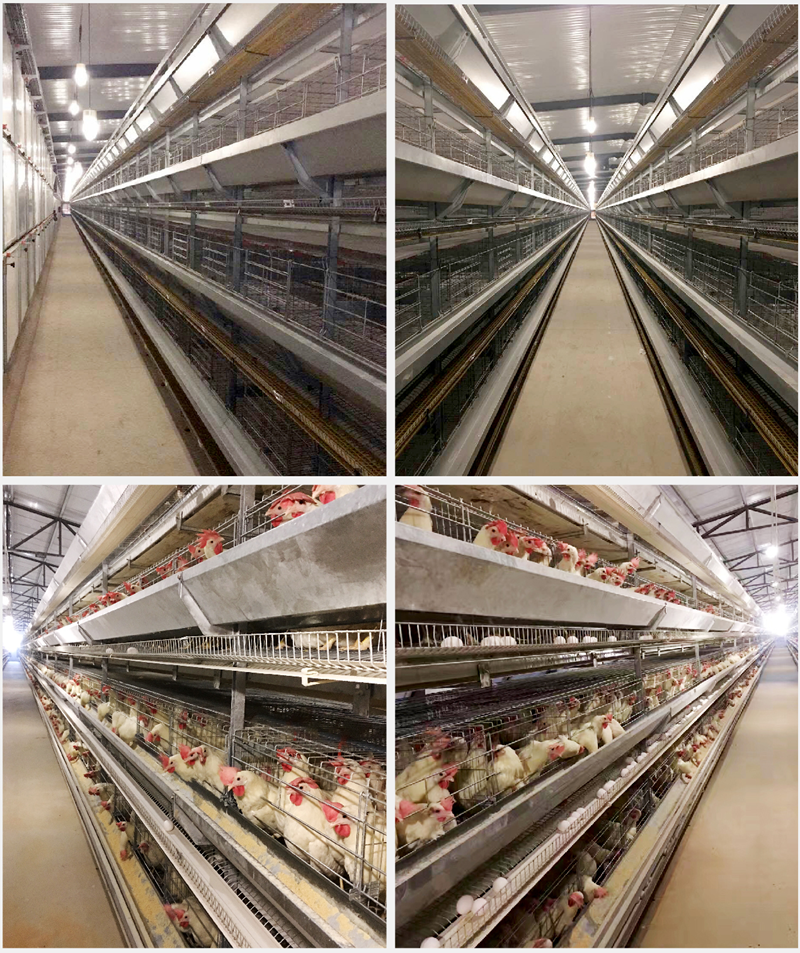
Stacked Brooding Cage Equipment

Stacked Broiler Cage Equipment
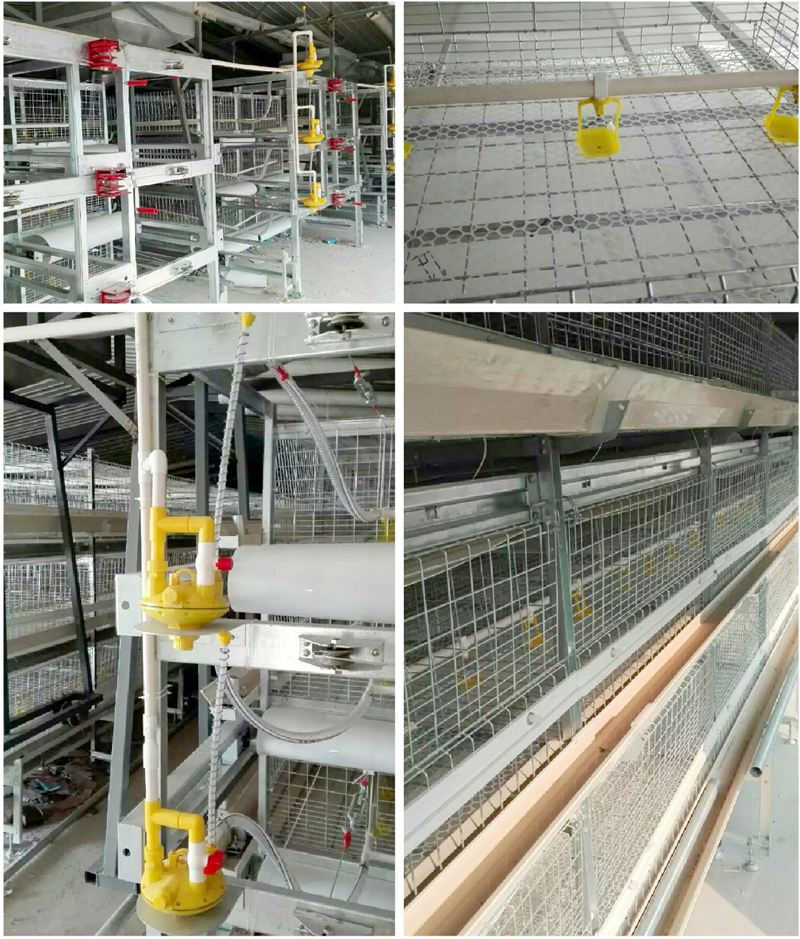
Stepped Layer Hen Cage Rearing Equipment
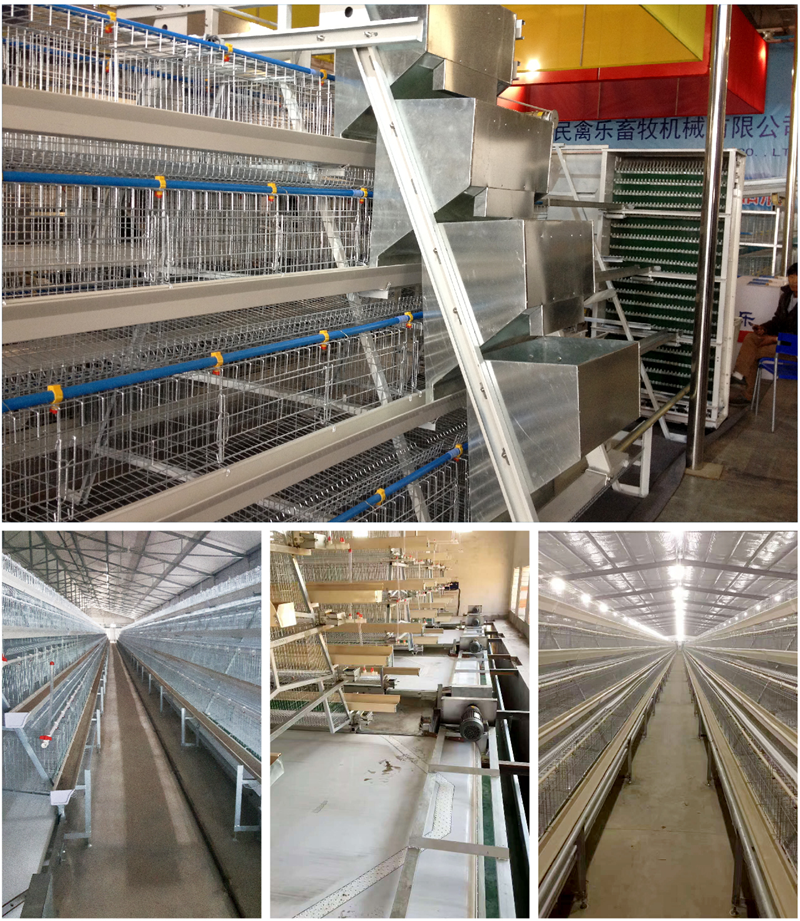
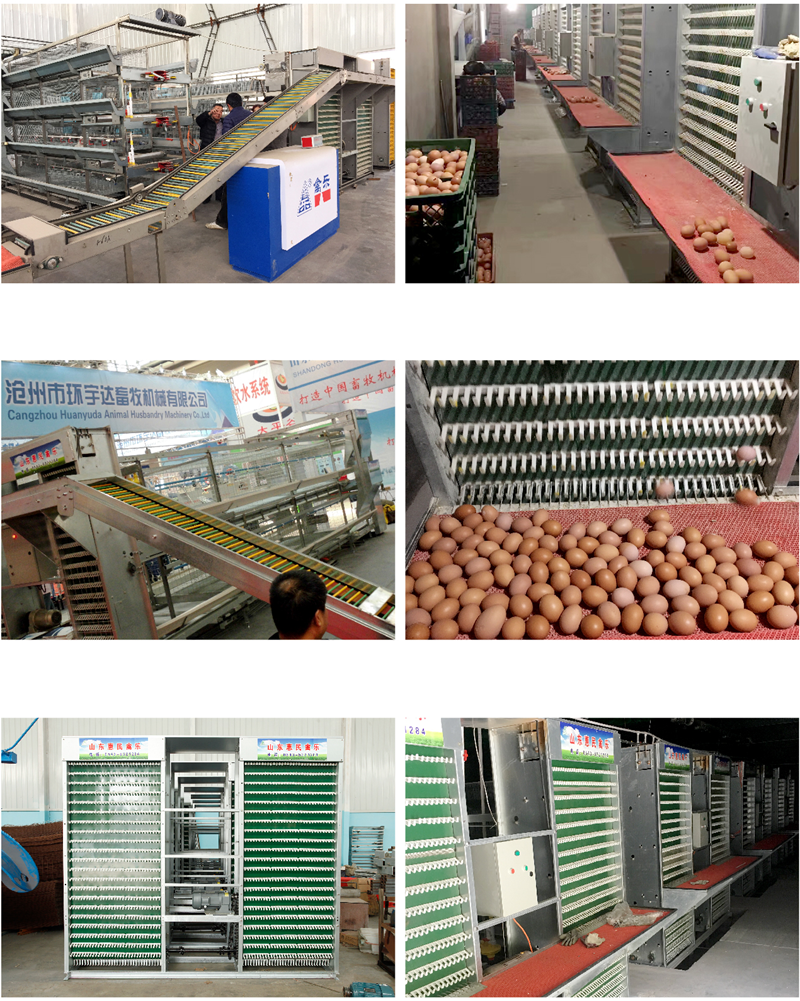
Automatic Egg Collection System
H-type Cage Feeding Machine
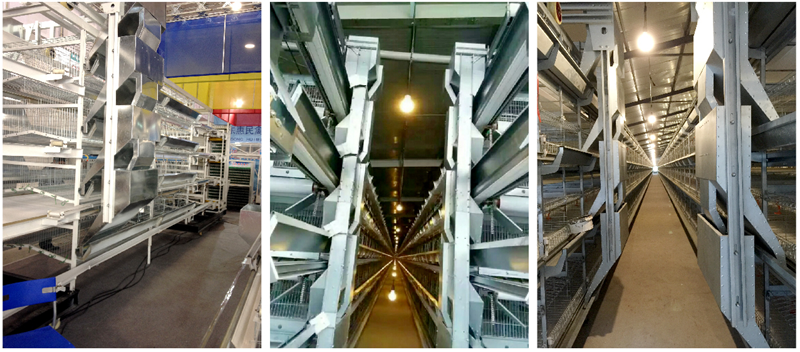
Stepped Cage Straddle Feeder
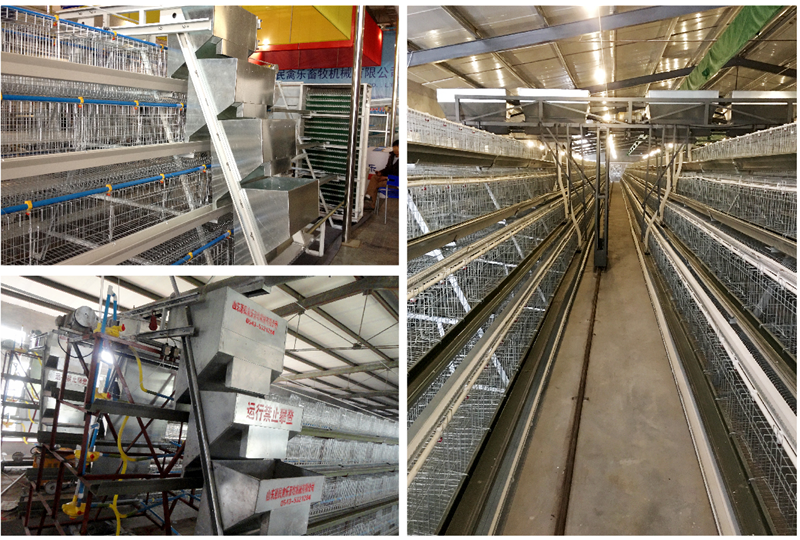
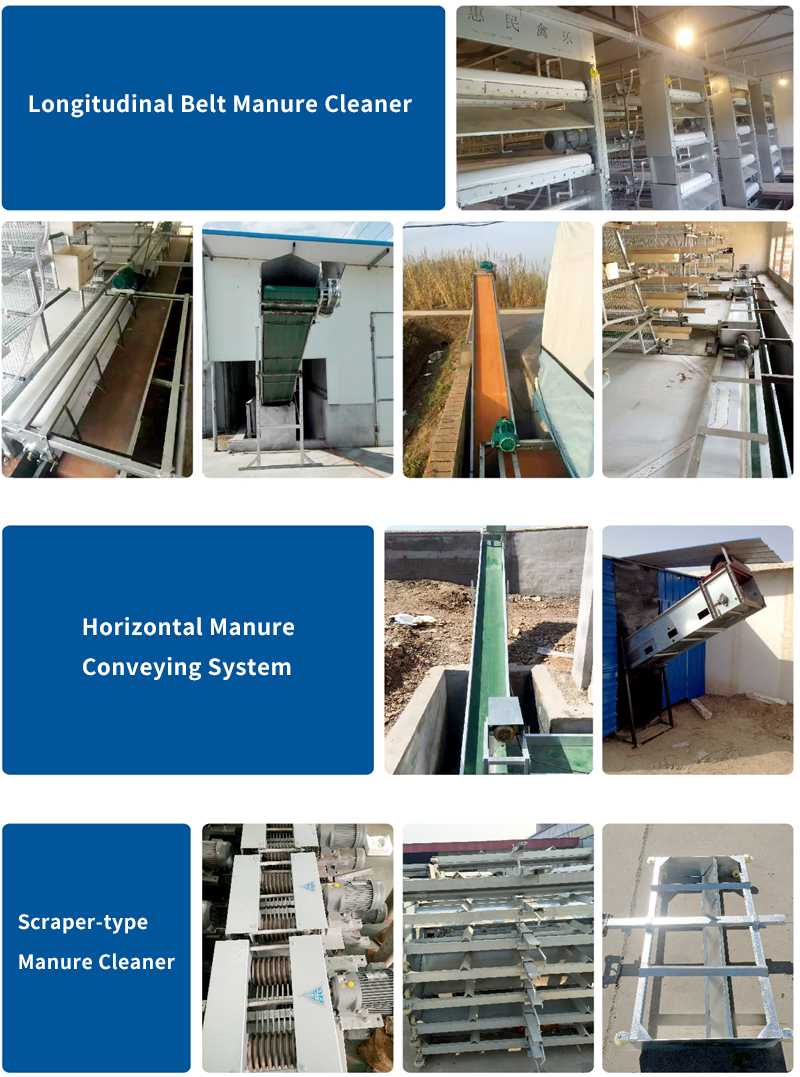
Manure Removal Machine
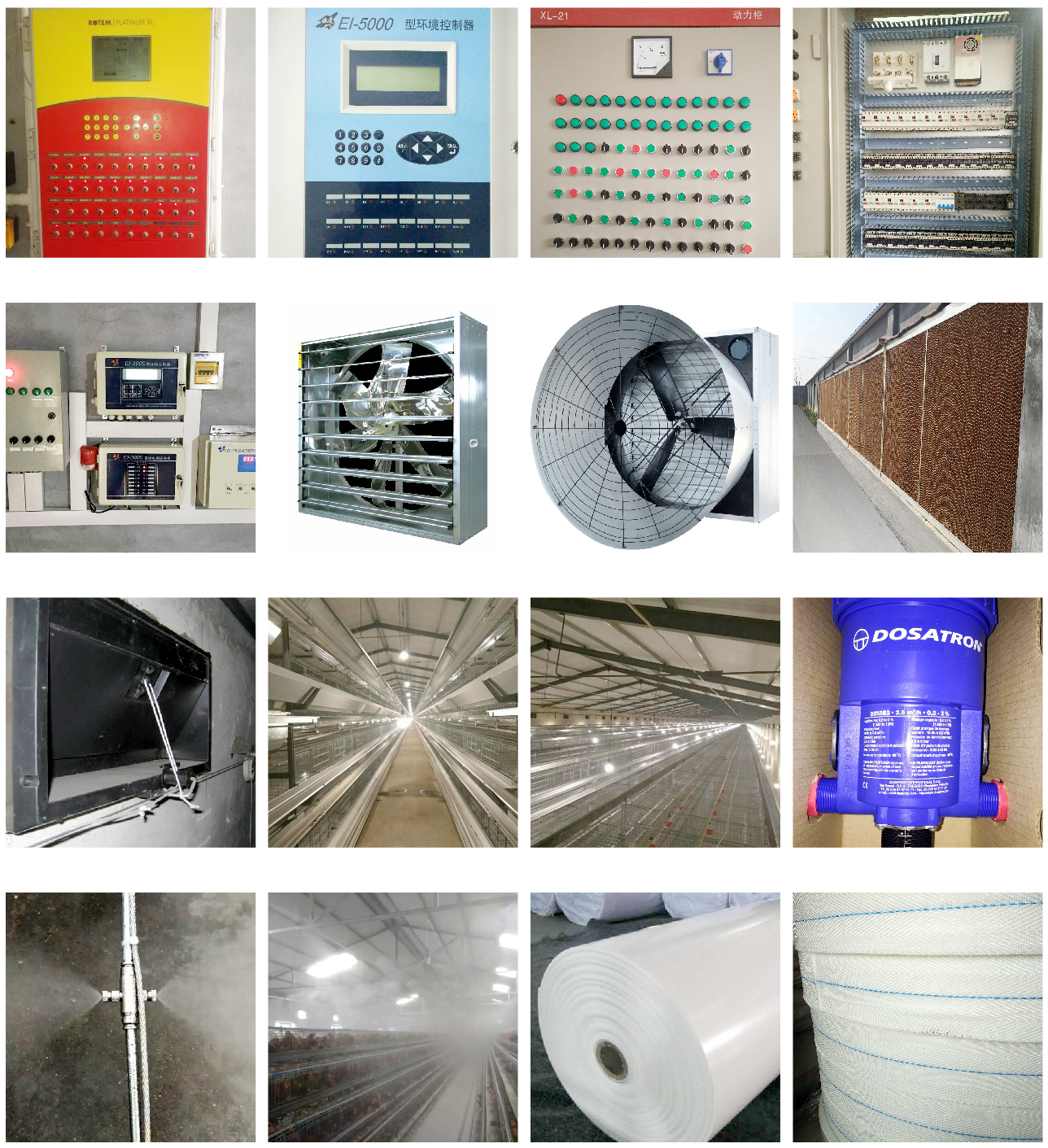
Fans, Heated Curtains, Environmental Control Systems, and Lighting Equipment
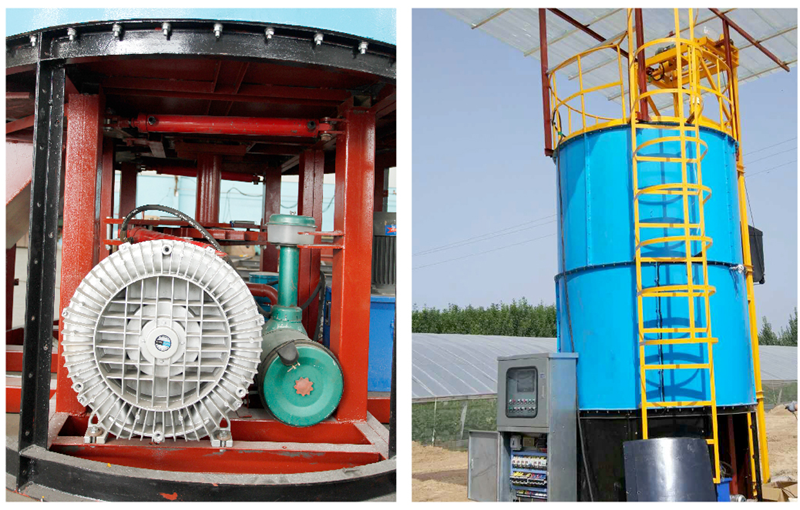
Complete Set of Equipment for Organic Fermentation Treatment of Manure
Этот веб-сайт использует файлы cookie, чтобы обеспечить вам максимально эффективное использование нашего веб-сайта.
 English
 Français
 العربية
 Indonesia
 қазақ
қазақ o'zbek
 Кыргызча
 тоҷикӣ
 Türkmenler
 Catalogue



 WhatsApp
 телефон